







Search Results for: coffee flavor period
Can Coffee Beans Still Be Drunk After the Peak Flavor Period? A Practical Guide to Brewing Adjustments and Reusing Expired Beans
Having bought too many coffee beans and not finishing them before they pass their peak flavor window is a problem many coffee lovers run into. What exactly is the difference between the peak flavor period and the shelf life? Can beans past their peak flavor period still brew a decent cup of coffee? Besides throwing away expired coffee beans, what other practical ways are there to reuse them? This article starts from a brewing demonstration of a Kenya AA coffee bean from Front Street Coffee, explaining in detail how to avoid negative flavors after the peak flavor period by adjusting water temperature, grind size, pouring technique, and other parameters, while also compiling the many uses of expired coffee beans in cleaning, deodorizing, and plant fertilizer, helping you make the most of every single coffee bean. [more…]
What's the difference between coffee bean shelf life and peak flavor period? An analysis of how production date affects flavor and the necessity of resting beans
Have you ever paid attention to the expiration date and production date on a bag of coffee beans? For specialty coffee, focusing only on the food-safety expiration date is not enough—we care more about the peak period of coffee flavor, the "prime tasting window." During this window, the aromatic characteristics of the coffee beans are fully expressed, rather than the coffee simply being a safe drink. At the same time, opinions vary widely on the "resting period" for beans: some suggest drinking them as soon as you receive them, while others insist on waiting several days. This article will start from the relationships among the expiration date, the prime tasting window, the production date, and the resting period to help you clarify these concepts, and will share Front Street Coffee's practical recommendations, so you can more confidently judge when to enjoy a good cup of coffee. [more…]
Beginner's Guide from Zero: A Complete Guide to the Key Points of Choosing Coffee Beans—Understanding Resting Period, Peak Flavor Period, and Shelf Life at Once
For friends who are just getting into freshly ground coffee, the dizzying array of coffee beans on e-commerce platforms often leaves them not knowing where to start. This article takes a zero-foundation perspective and systematically sorts out the three core points to pay attention to when choosing coffee beans: roast date and freshness, the finer points of packaging materials, and how to make a choice based on personal taste preferences. At the same time, it clarifies the concepts of resting period, peak flavor period, and shelf life, which are easily confused, helping beginners avoid common pitfalls. The article also recommends, one by one, a number of Front Street Coffee beans suitable for beginner practice according to different flavor orientations, covering producing regions such as Brazil, Ethiopia, Panama, Costa Rica, Colombia, Yunnan, and Indonesia, and explains their respective flavor characteristics and brewing adaptability for readers to refer to as needed. [more…]
Analysis of the Difference Between Coffee Beans' Peak Flavor Period and Shelf Life: Can Expired Beans Still Brew a Good Cup?
Many coffee enthusiasts know that roasted coffee beans, beyond their shelf life, also have a peak flavor window—the optimal tasting period. But if you accidentally miss this window, can the beans still be consumed? And how much will the flavor degrade? This article compares freshly roasted coffee beans with those stored for two months, using cupping to intuitively demonstrate the differences between the two, and explains how aroma volatilization affects the layers of coffee flavor. At the same time, the article also shares Front Street Coffee's commitment to fresh roasting and how to conveniently purchase high-quality coffee beans roasted within a week. [more…]
Drip Bag Coffee Shelf Life and Peak Flavor Period Explained: Brewing Water Temperature, Key Parameters, and Whether It Can Be Reused
Drip bag coffee, with its dual advantages of convenience and flavor, has become a daily choice for many coffee lovers. But how long can a pack of drip bag coffee actually be stored? How should it be brewed to restore the best taste? Can the same drip bag be brewed repeatedly? This article will explain item by item the shelf life and optimal flavor period of drip bag coffee, the drinking time limits for different roast levels, brewing water temperature and parameter adjustments, as well as tips for judging freshness. It will also address the misconception of repeated brewing and include complete drip bag brewing steps to help you consistently brew a delicious cup of black coffee at home. [more…]
Coffee Bean Resting Period | What Is the Coffee Bean Peak Flavor Window? Why Do Freshly Roasted Coffee Beans Need Resting? How Should Coffee Beans Be Rested and Awakened?
For professional coffee knowledge exchange and more coffee bean information, please follow Coffee Workshop (WeChat official account: cafe_style). For more specialty coffee beans, please add our personal WeChat Front Street Coffee (FrontStreet Coffee), WeChat ID: qjcoffeex. "Are coffee beans [more…]
What Exactly Is the Difference Between the Peak Flavor Period and the Shelf Life of Roasted Coffee Beans? A Full Guide to Storing and Keeping Single-Origin Beans Fresh
Many people assume that coffee beans won't spoil as long as the bag is unopened, but in reality, even unopened, the flavor still degrades over time. The "shelf life" and the "peak flavor period" of roasted coffee beans are two completely different concepts. Drawing on Front Street's practical experience, this article clarifies how long coffee beans should be stored, when they taste best, why resting is important, and how to store them properly after opening. Whether you're a beginner or a seasoned coffee enthusiast, you'll find practical advice here. [more…]
Can You Still Drink Coffee Beans Past Their Peak Flavor Window? Adjusting Grind and Pouring Technique in Pour-Over to Salvage Stale Beans
The peak flavor period of coffee beans is the stage when they display their best flavor, when aromatic compounds are abundant and the carbon dioxide content is just right, making extraction easy and thorough. Once the storage time exceeds the peak flavor period, a large amount of volatile aromatics is lost, and the brewed coffee tends to be thin and prone to harsh bitterness. So does that mean beans past their peak flavor period can only be discarded? In fact, by adjusting the grind size and pouring technique, you can still avoid the risk of over-extraction to some extent and give stale beans a second life. This article will explain what the peak flavor period means and provide a specific brewing recipe suitable for beans within two months of the roast date, including operational details such as bloom time and pouring rhythm, to help coffee lovers deal with having too many beans stockpiled or flavors that don't suit their taste. [more…]

How can you effectively extend the flavor window of coffee beans? What's the scientific way to store freshly acquired beans?
You've stocked up on plenty of coffee beans over the Spring Festival holiday, but worry that once the peak flavor window passes, the flavor will be lost entirely? This article will walk you through the resting period and peak flavor window of coffee beans, analyze the three great enemies of freshness—oxygen, moisture, and heat—and offer practical storage suggestions. Front Street Coffee also specially reminds you that freezing is not a cure-all; improper handling can actually do more harm than good. If you want the beans in your hands to stay rich and aromatic for as long as possible, start by avoiding these three factors. [more…]
What exactly is the difference between coffee bean resting, peak flavor period, and shelf life? Front Street Coffee helps you decode the time code of freshly roasted coffee.
Many people think coffee beans should be brewed right after roasting, but freshly roasted beans often carry a dry, smoky character and need to be rested to degas so the flavors become rounder. Drawing on years of roasting and cupping experience, Front Street Coffee has found that resting times vary from 3 to 7 days depending on the roast level, and the optimal flavor window usually falls between 7 and 20 days after roasting. The flavor window is not the same as the shelf life; the latter is merely the safe consumption period, often as long as 12 months or more. This article clarifies the complete timeline of coffee beans from fresh to stale across several dimensions—the principles of degassing, resting recommendations, the flavor window, and storage limits—and also tells you how much to buy at once and how to store it so nothing goes to waste. [more…]
How long is the shelf life of coffee beans? Can they still be consumed after the best flavor period has passed?
Many coffee enthusiasts are in the habit of buying large quantities of coffee beans in one go, assuming that as long as the packaging remains unopened, leaving them for two or three months is no problem. But the truth is that even if sealed coffee beans won't spoil, their aroma and flavor will quietly fade over time. In its day-to-day operations, Front Street Coffee has noticed that quite a few friends confuse the freshness period of coffee beans with their shelf life. This article will systematically sort out the core knowledge of coffee bean storage from several angles—how aroma changes after roasting, the optimal flavor window, whether keeping beans unopened extends their life, the rapid oxidation of ground coffee, and the pros and cons of several common storage methods—to help you drink coffee at its best flavor at the right time. [more…]
How long is the shelf life of drip bag coffee? Why freshly ground and freshly made is more worthwhile—Front Street helps you understand the peak flavor period and brewing key points
Drip bag coffee is convenient and quick, but how long is its shelf life and its peak-flavor window? Why does Front Street Coffee insist on grinding and making it fresh rather than preparing stock in advance? This article will analyze the production method of drip bag coffee, its storage time, and the reasons for flavor loss, and will also offer buying suggestions for several Front Street Coffee drip bag coffees, including Panama Geisha, Huakui, Brazil Semi-Washed, and Golden Mandheling. It will also explain the brewing approach of 10 g per packet and a 1:15 coffee-to-water ratio, helping you enjoy a more complete aroma and mouthfeel within a packet's best period. [more…]
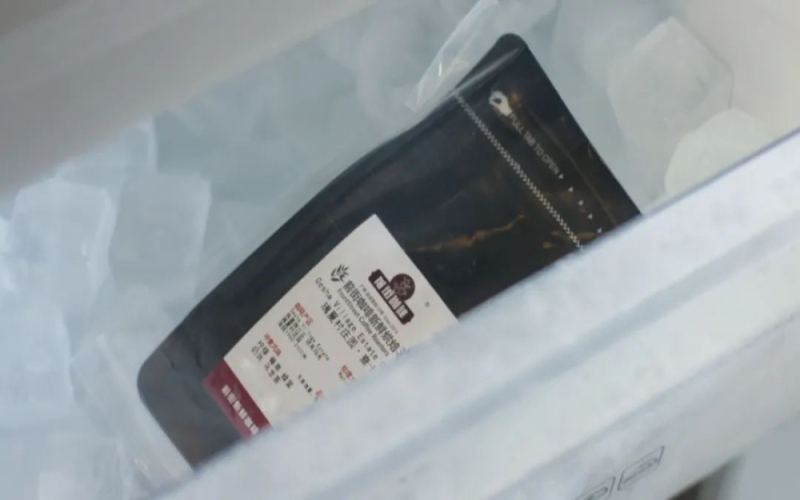
Can Freezing Coffee Beans Really Lock in Flavor? Front Street Coffee Explains the Truth and Practical Key Points of Frozen Preservation
Is the frozen coffee bean storage method circulating online actually able to extend the peak-flavor period and lock in the flavor? This time Front Street is going to seriously discuss this topic. Freezing can indeed slow down the oxidation rate of coffee beans, extending the optimal tasting period from 30 days to 2~3 months, but experiments show that frozen beans are actually in a "pseudo-fresh" state, and there is still a gap in flavor compared with the peak-flavor period. The real advantage of freezing lies in making the ground particles more uniform. However, there are too many variables in daily operation, such as needing to grind within one minute of thawing, adjusting brewing parameters, and improper sealing causing odor transfer. This article will break down the principles of frozen storage, the points to note, and give more practical bean storage suggestions one by one. [more…]
A Complete Guide to Coffee Bean Resting Periods and Peak Flavor Windows: How Long Should You Rest Espresso, Light Roast, and Dark Roast Beans?
Many coffee enthusiasts only fixate on the roast date when buying beans, overlooking the expiry date—yet behind this lies a precise grasp of how coffee flavor evolves. The time when coffee beans finish roasting directly determines their resting period and peak-flavor window—freshly roasted beans need to sit and degas, with espresso, pour-over, light roasts, and dark roasts each having different waiting rhythms. This article will explain the principles of the resting period in detail, help you understand how long coffee beans should rest under different roast levels and brewing methods, and include practical advice from Front Street Coffee, so you never miss the optimal flavor window of any bean. [more…]
The Key to Keeping Drip Bag Coffee Fresh: A Long Shelf Life but a Short Peak-Flavor Window—Front Street Teaches You How to Store and Brew It Right
Drip bag coffee, with its convenient and efficient characteristics, has become a daily choice for many coffee lovers. But many people are not clear that although the shelf life of drip bags is marked as relatively long, the window in which they can truly present ideal flavor is quite short. Front Street Coffee (FrontStreet Coffee) has been in business for twelve years and has witnessed the evolution of coffee trends from instant to capsules and then to the parallel popularity of pour-over and drip bags. This article will focus on practical topics such as the optimal flavor period of drip bag coffee, storage taboos, brewing parameters, misconceptions about repeated brewing, and how to identify freshness, and will include complete drip bag brewing steps to help you drink a satisfying cup of coffee within the limited flavor period. [more…]

Can you still drink coffee beans after they expire? Understanding the difference between shelf life and peak flavor period, plus recommendations
The shelf life of coffee beans is usually longer than that of most foods because they are a low-water-activity food and are not prone to spoilage. The packaging of coffee beans sold by Front Street Coffee indicates a shelf life of one year; this period has been determined through professional testing, and under proper storage conditions, the risk of spoilage is relatively low. However, in addition to the shelf life, coffee beans also have a more critical "flavor window"—the optimal tasting period. After the flavor window passes, aromatics are largely lost due to volatilization, and the coffee becomes mediocre. So, can expired coffee beans still be drunk? This article will analyze in detail the difference between shelf life and flavor window from the two perspectives of food safety and flavor performance, and give Front Street Coffee's drinking recommendations. [more…]
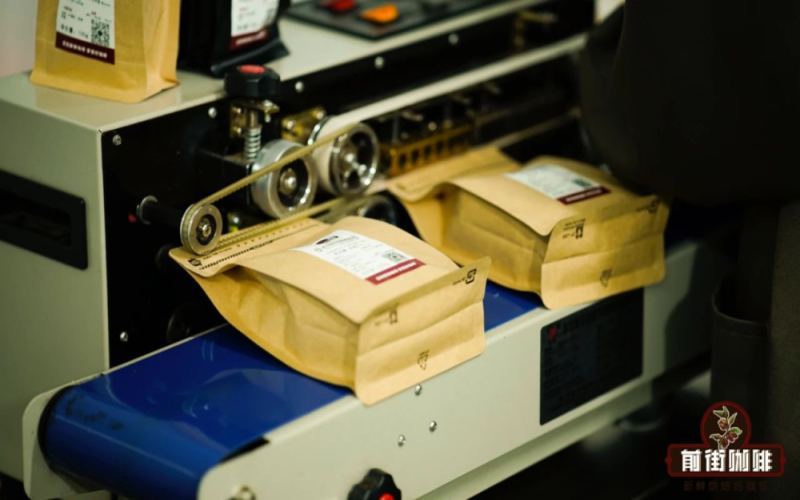
Must-Read for Coffee Beginners: Correct Storage Methods and Optimal Flavor Period for Freshly Roasted Coffee Beans and Freshly Ground Coffee
Friends who have just gotten their hands on freshly roasted coffee beans are often puzzled: the one-way valve on the coffee bag is clearly meant to release carbon dioxide, so why seal it off once the beans are ground? In fact, this comes down to the logic of preserving coffee flavor—whole beans release gas slowly, but once ground, flavor loss accelerates dramatically. Front Street Coffee has accumulated extensive experience in daily roasting and packaging. This article will systematically walk beginners through the key points of storing fresh coffee—from the function of the one-way valve, whether ground coffee needs resting, the difference between shelf life and peak flavor period, to the storage methods best suited to whole beans and ground coffee respectively—to help you enjoy a full-flavored cup within the optimal window. [more…]
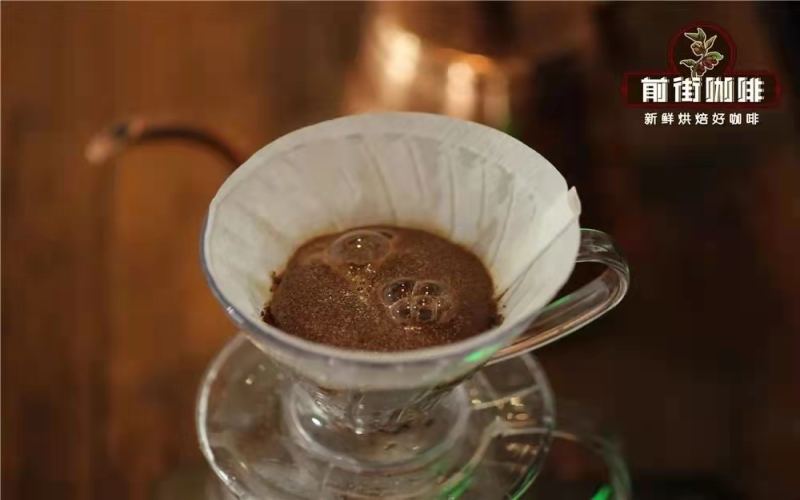
How Many Days Do Coffee Beans Need to Rest? Is Sealed Resting for Pour-Over Beans Feasible? One Article Explains Degassing and the Flavor Peak
Should freshly roasted coffee beans be brewed right away? How many days should you actually wait for resting? This article starts with the principles of coffee bean degassing, explaining why freshly roasted beans need to rest and how the resting period is affected by roasting method, roast level, and roasting style. It also offers practical ways for ordinary consumers to judge the resting period, helping you find the flavor peak of each bean. Drawing on Front Street Coffee's semi-direct fire roasting experience, the article explains reference resting days for medium-light and medium-dark roasts, and addresses whether fully sealed resting is feasible. [more…]
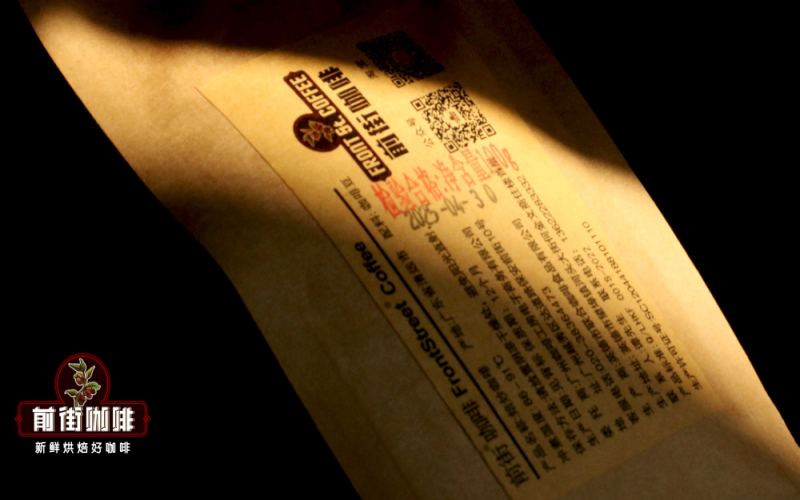
How to Read Coffee Bean Roast Dates? A Full Guide to Resting Period and Optimal Flavor Window, Differing for Light and Dark Roasts
When buying coffee beans, have you ever noticed the roast date on the packaging? This date is not used to judge whether the coffee has expired like ordinary food—roasted coffee beans typically have a shelf life of six months to a year, and what truly matters is when they reach their peak flavor. Freshly roasted beans degas vigorously, and carbon dioxide hinders extraction; leave them too long and the floral and fruity aromas dissipate, leaving only a woody taste. That is why light-roasted single-origin beans and dark-roasted espresso beans each have their own preferred resting periods. This article will walk you through the flavor logic behind the roast date, help you master the optimal drinking window for coffee beans, and show you how Front Street Coffee manages its shipping schedule so that every bag of beans reaches its peak the moment it arrives. [more…]
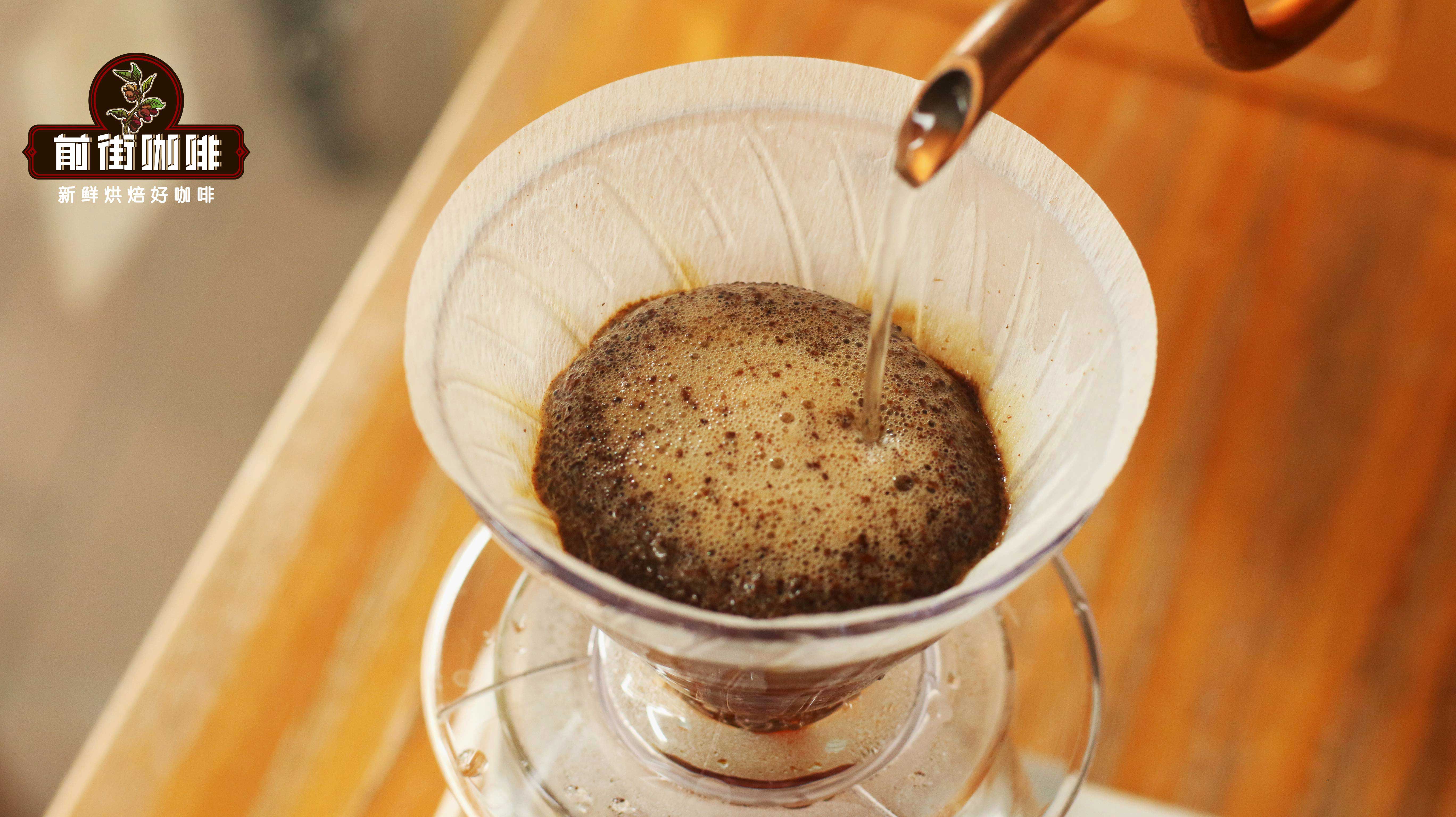
Why Do Coffee Bean Bags Puff Up? How Many Days Does Resting Beans Need? A Guide to the Best Drinking Window for Fresh Coffee
The bag of coffee beans you just bought is puffed up—has it gone bad, or is this normal? Many people who brew their own coffee have heard the term "resting the beans," but they may not fully understand the principle behind it. After roasting, coffee beans continue to release carbon dioxide, and this process directly determines how the flavor develops. This article starts with the mechanism of coffee bean degassing, explains why coffee bags inflate, analyzes the three major factors that affect the length of the resting period—heat transfer method, roast level, and roasting style—and uses Front Street Coffee's semi-direct-fire roasting as an example to give specific reference days. Finally, it shares a practical method that teaches you how to use your own senses to judge whether a coffee bean has reached its flavor peak, so you can find the resting period that suits you best. [more…]